
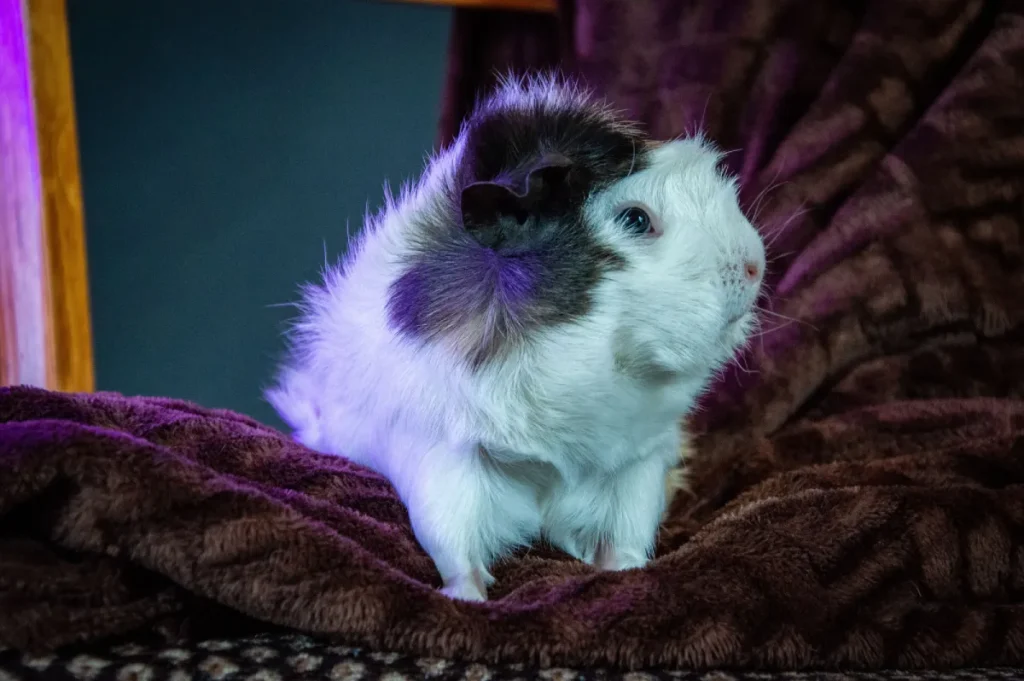
A clean cage keeps your guinea pig healthy and comfortable. Regular cleaning lowers the risk of illness, reduces odors, and cuts stress. This guide explains recommended cleaning times, how hygiene affects health, practical cleaning steps, and how bedding choices influence care. Clear routines make daily care easier and help your pet thrive.
Key Takeaways
- Daily spot cleaning removes waste and uneaten food to prevent odors and maintain hygiene.
- Perform a full cage cleaning weekly, replacing all bedding and sanitizing surfaces safely.
- Adjust cleaning frequency based on cage size and number of guinea pigs for optimal health.
- Regular cleaning reduces bacteria, minimizes stress, and promotes a comfortable environment for guinea pigs.
- Use pet-safe, fragrance-free detergents and natural cleaning solutions to protect guinea pig health.
- Fleece liners offer high comfort, moisture management, and odor control when cleaned weekly.
- Wood shavings absorb moisture but require more frequent replacement and may cause respiratory issues.
- Reusable liners reduce waste, save money over time, and simplify daily cleaning tasks.
- Proper ventilation and odor-absorbing bedding help maintain a fresh and healthy guinea pig habitat.
Recommended Cleaning Schedule
A steady cleaning routine protects your pets health. Key tasks to include are daily spot cleaning, a weekly full clean, and adjustments based on cage size and number of guinea pigs.
- Daily Spot Cleaning: Remove uneaten food, soiled bedding, and any waste daily. This helps prevent odors and maintains a hygienic environment.
- Full Cage Cleaning: Perform a thorough cleaning of the entire cage every week. During this process, remove all bedding material, clean the cage surfaces with safe cleaning products, and replace bedding with fresh material.
- Adjust for Cage Size and Number of Pets: More guinea pigs or a larger cage will need more frequent cleaning. If you have multiple pets, consider cleaning twice a week to keep the habitat healthy.
Impact of Regular Cleaning on Guinea Pig Health
Regular cleaning directly supports overall health. A tidy habitat lowers exposure to harmful bacteria and helps your guinea pig feel secure. Clean cages reduce odor, limit disease risk, and improve daily comfort.
- Odor Reduction: Regular waste removal prevents the build-up of unpleasant smells, making the environment more inviting.
- Bacteria Prevention: Keeping the cage clean helps to avoid outbreaks of diseases that can be caused by bacteria found in waste.
- Overall Pet Comfort: A clean and fresh environment enhances your guinea pig’s quality of life, allowing them to feel secure and happy.
Hygiene Practices
Simple, consistent habits make a big difference. Set aside a short time each day for spot checks and a longer weekly session for a full clean.
- Washing Fleece Liners: If you use fleece liners, wash them weekly. Ensure you use fragrance-free detergents to avoid irritating your guinea pig’s sensitive respiratory system.
- Debris Removal Techniques: Utilize a small vacuum or a broom to collect stray bedding or litter inside and around the cage.
- Safe Cleaning Products: Always choose pet-safe cleaning solutions that are non-toxic and fragrance-free to maintain a safe environment for your guinea pigs.
Comparison of Bedding Options
Choosing the right bedding is essential for your guinea pig’s comfort and hygiene. Below is a comparison of the two most popular bedding options: fleece liners and wood shavings.
| Bedding Type | Cost | Cleaning Frequency | Comfort Level |
|---|---|---|---|
| Fleece Liners | Moderate | Weekly replacement | High |
| Wood Shavings | Low | Weekly spot cleaning | Moderate |
Fleece liners are reusable and can save money over time; wood shavings absorb moisture but need replacing more often. Choose based on your cleaning habits and budget.
What Is the Ideal Guinea Pig Cage Cleaning Schedule?
A simple schedule separates tasks into daily, weekly, and monthly checks so nothing is missed and the cage stays safe.
- Daily Tasks: Remove soiled bedding and uneaten food.
- Weekly Tasks: Thoroughly clean the cage with appropriate cleaning agents, replace the bedding entirely, and analyze any additional accessories for cleanliness.
- Monthly Considerations: Evaluate the overall environment, ensuring all toys and additional elements are sanitized regularly.
How Often Should You Clean Different Cage Sizes and Setups?
Cage size and setup affect how often you should clean. Adjust the schedule based on how quickly the cage becomes soiled.
- Single Guinea Pig in a Small Cage: Clean once a week.
- Multiple Guinea Pigs or Larger Cage: Perform a full clean every 3-4 days, with daily spot cleaning.
- Cages with Extra Accessories: Clean more frequently depending on the presence of extra bedding or items that can trap waste.
Why Regular Cleaning Improves Guinea Pig Health and Comfort
Cleanliness lowers disease risk and supports calm behaviour. Regular maintenance reduces bacteria, keeps odors down, and helps your guinea pig feel secure.
- Healthy Environment: Reducing the likelihood of disease outbreaks is directly linked to comprehensive cleaning practices.
- Stress Reduction: A clean cage minimizes stress, creating a calm atmosphere for your pets.
- Happiness Factors: Understanding how cleanliness affects your guinea pig can lead to a happier and healthier companion.
What Are the Best Bedding Options for Guinea Pigs? Comparing Fleece Liners and Wood Shavings
When selecting bedding, think about comfort and how it handles moisture. Fleece is like a washable rug, soft and reusable. Wood shavings act more like disposable absorbent material but can be dusty.
- Fleece Liners:Pros: Soft, washable, and excellent for absorbing moisture.Cons: Requires regular cleaning and may hold odors if not maintained properly.
- Wood Shavings:Pros: Good at absorbing moisture and odors and less expensive.Cons: Can produce dust, which may lead to respiratory issues for sensitive guinea pigs.
How Do Reusable Fleece Liners Benefit Cage Hygiene and Odor Control?
Reusable fleece liners have become increasingly popular due to their ecological benefits and ease of use. Their advantages include:
- Moisture Management: They efficiently wick moisture away, keeping the cage drier.
- Ease of Cleaning: Washable liners reduce waste and are more economical over time.
- Odor Reduction: When maintained adequately, fleece liners significantly help control odors within the enclosure.
If you want fleece liners, many suppliers offer sizes and styles for different cages. Browse our collection to find options that fit your setup.
What Are the Advantages and Drawbacks of Disposable Bedding Types?
Disposable bedding is easy to manage because you replace it when dirty, but it can cost more over time and creates extra waste.
- Pros: Easily manageable; no need for washing, just replace when dirty.
- Cons: Can be more expensive over time and may lead to increased waste.
Compare ease of use against long-term cost and environmental impact to choose the best option for your habits.
How Do You Properly Clean and Maintain Reusable Fleece Liners for Guinea Pig Cages?
To ensure the longevity and effectiveness of your fleece liners, follow these steps:
- Regular Washing: Clean the liners at least once a week using pet-safe detergent.
- Drying: Use a tumble dryer for the best results; air drying may not be effective in removing all odors.
- Inspect for Damage: Regularly check for wear and tear to avoid any potential safety hazards for your pet.
What Cleaning Products and Methods Are Safe for Fleece Liners?
Only use designated cleaning products that are safe for use around pets. Recommended solutions include:
- Fragrance-Free Detergents: Specifically formulated to avoid respiratory irritants.
- Vinegar and Water Mix: An effective natural cleaning solution to sanitize surfaces without leaving harmful residues.
Use pet-safe, fragrance-free detergents or a vinegar-and-water mix to clean without leaving harmful residues.
How Often Should You Replace Fleece Liners to Maintain Hygiene?
To maintain proper hygiene when using fleece liners, it is advisable to:
- Spot Clean Daily: Remove soiled areas to prolong the lifespan of your liners.
- Replace Monthly: Change out for fresh liners at least once a month or when they show signs of wear or odor retention.
- Evaluate Condition: Regularly check for holes or damage that could impact hygiene or safety.
How Can You Control Odor in Guinea Pig Cages Effectively? Techniques and Tips
Controlling odor requires a proactive approach. Here are several effective techniques:
- Daily Cleaning Practices: Ensure daily spot cleaning is a habit to prevent odors from building up.
- Air Flow Management: Enhancing ventilation in the space where the cage is located can help dissipate odors.
- Bedding Choices: Use odor-absorbing bedding options to mitigate smells.
These steps make the cage fresher for both you and your guinea pig. For supplies and advice, visit smallpetsandcompany.com.
What Role Does Bedding Choice Play in Odor Absorption?
The type of bedding selected for your guinea pig directly affects odor control.
- Absorbent Materials: Options like fleece or paper-based bedding can significantly reduce and manage smells.
- Less Absorbent Options: Wood shavings may require more frequent changes to avoid odors due to their ability to hold moisture.
Comparing bedding materials helps you choose options that limit smell and keep your pet dry.
Which Cleaning Practices Reduce Odor Between Full Cage Cleanings?
Incorporating specific practices into your routine can greatly minimize odors:
- Daily Spot Cleaning: Consistently removing waste helps in maintaining freshness.
- Regular Inspection of Accessories: Monitor toys and hideouts for signs of odor or build-up.
- Proper Ventilation: Ensuring airflow around the cage can aid in combating unpleasant smells.
These habits protect your pet’s health and make care simpler and more pleasant.
What Are the Benefits of Using Reusable Guinea Pig Cage Liners? Sustainability and Cost-Effectiveness Explained
Reusable guinea pig cage liners serve to improve both the ecological footprint and economic efficiency. Key benefits include:
- Waste Reduction: Using washable materials cuts down on disposable waste.
- Savings Over Time: Although the initial investment may be higher, the durability and lifespan of reusable liners lead to cost savings.
- Durability: High-quality liners withstand repeated washes while maintaining performance, making them a dependable option.
Reusable liners reduce waste, save money over time, and last through many washes.
How Do Reusable Liners Help Reduce Cleaning Frequency and Odor?
Reusable liners not only improve cleanliness but can also streamline your cleaning routine:
- Less Frequent Full Changes: With proper maintenance, you may only need to perform a complete change every few weeks.
- Spot Cleaning Ease: Liners simplify day-to-day cleaning tasks, allowing for quick maintenance.
- Odor Management: The material’s absorbency helps mitigate smells, leading to a more pleasant environment.
With regular care, liners can reduce how often you need full changes, speed up daily tasks, and help control odors.
What Environmental Advantages Do Reusable Liners Offer Compared to Disposable Bedding?
Making environmentally conscious choices benefits both your guinea pig and the planet. Reusable liners contribute to:
- Resource Conservation: Decreasing dependence on single-use products enables responsible resource use.
- Waste Management: Reducing disposable bedding leads to less landfill waste, benefiting the environment.
- Sustainability: Long-lasting materials promote an environmentally friendly lifestyle for pet owners.
Reusable liners use fewer resources, create less landfill waste, and support a more sustainable pet care routine.
What Are the Step-by-Step Instructions for Cleaning a Guinea Pig Cage Thoroughly?
To clean your guinea pig’s cage effectively, follow these step-by-step instructions:
- Gather Supplies: You’ll need pet-safe cleaning products, fresh bedding, and cleaning tools such as gloves and scrub brushes.
- Remove the Guinea Pig: Place your guinea pig in a secure, temporary area while cleaning.
- Empty the Cage: Remove all bedding, toys, and other accessories.
- Clean Surfaces: Wipe down all surfaces with a suitable cleaning solution, ensuring no toxic residues remain.
- Replace Bedding: Add fresh bedding and return toys or accessories afterwards.
- Return Your Pet: After ensuring the cage is fully dry and safe, place your guinea pig back in their home.
Follow these steps to keep the habitat clean and safe. If you have questions or need help, feel free to contact us.
Keeping your guinea pigs cage clean improves health, comfort, and overall wellbeing. Regular spot cleaning, scheduled full cleans, and the right bedding reduce odors and lower disease risk. Use these practices to create a safe, comfortable home for your pet, and consult our resources and products for more support.
Frequently Asked Questions
1. Can guinea pigs be kept in a cage with other pets?
Guinea pigs can live in homes with dogs or cats, but interactions must be supervised. Secure the cage so other pets cannot reach in, and offer a quiet area for your guinea pig. Consider each animals temperament to reduce stress and the chance of injury.
2. What are the signs that a guinea pig’s living environment is unhealthy?
Watch for strong odors, heavily soiled bedding, visible mold, or pests. Also note your guinea pigs behaviour: frequent hiding, low energy, or loss of appetite can signal a problem. Prompt cleaning helps prevent respiratory issues and infections.
3. How can I ensure my guinea pig’s bedding is safe and comfortable?
Pick non-toxic bedding such as fleece or paper-based products. Avoid cedar and pine shavings, which can emit oils that harm breathing. Check bedding for damp spots or smells and replace it often to keep the area cosy and hygienic.
4. What happens if I miss a full cage cleaning?
Missing a full clean lets waste build up, increasing odors and bacterial growth that can harm your guinea pig. Resume your cleaning schedule as soon as possible to restore a healthy environment.
5. Are there any cleaning tips for reducing allergies related to guinea pigs?
To reduce allergy symptoms, use hypoallergenic bedding like fleece and clean regularly to remove dander. Keep the cage well ventilated and dust-free, and wash your hands after handling your pet to limit exposure.
6. How can I tell if my guinea pig is happy and healthy in its environment?
A happy guinea pig explores, makes cheerful sounds, eats regularly, and shows curiosity. Healthy fur and steady weight are good signs. Regular cleaning, enrichment, and attention support wellbeing.
7. Is it necessary to provide additional cleaning supplies for my guinea pig?
Yes. Use pet-safe, fragrance-free cleaners and keep tools like a small broom or vacuum and a scrub brush on hand. The right supplies make maintenance easier and protect your guinea pigs health.