
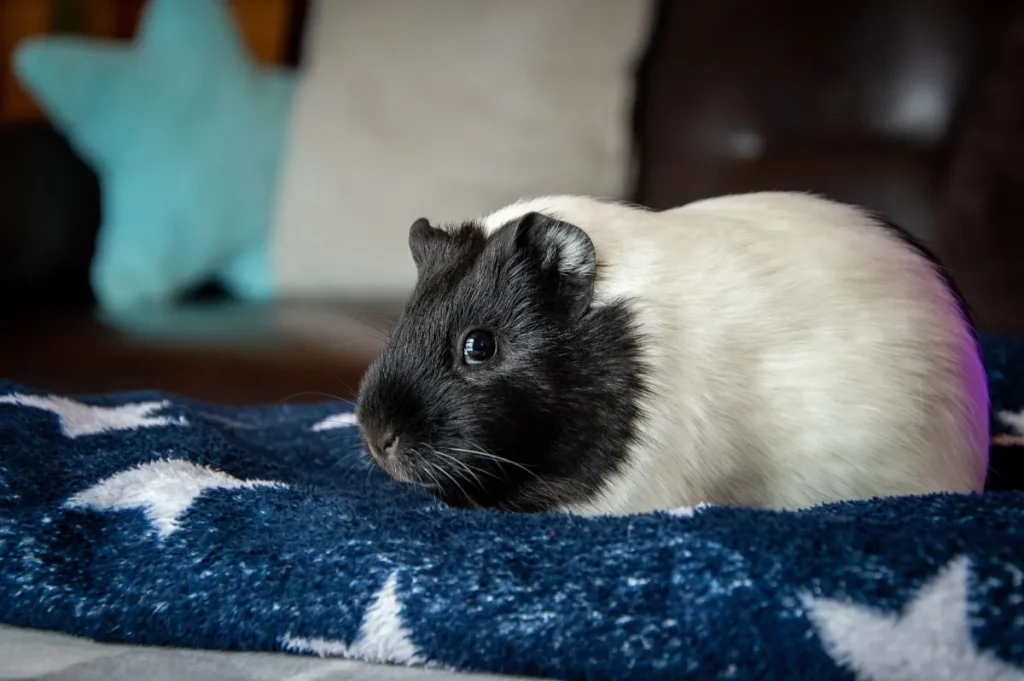
Choosing the right bedding affects a guinea pig’s comfort, hygiene and overall health. This article compares fleece and traditional bedding across comfort, hygiene, odor control, cost, environmental impact and cleaning so you can make an informed choice for your pet.
Key Takeaways
- Fleece bedding offers superior comfort with a soft, cozy surface that reduces foot injuries in guinea pigs.
- Fleece excels in hygiene by wicking moisture and preventing bacterial growth compared to traditional bedding.
- Odor control is more effective with fleece, as it minimizes ammonia buildup when washed regularly.
- Although fleece has a higher initial cost, its reusability leads to long-term savings over disposable bedding.
- Fleece bedding supports environmental sustainability by reducing waste through its washable and reusable nature.
- Cleaning fleece liners is simpler and less time-consuming than managing traditional bedding materials.
- Fleece minimizes mess around the cage by preventing debris from scattering outside the enclosure.
- Choosing fleece bedding promotes better guinea pig health by reducing respiratory issues and enhancing overall well-being.
Comparison of Fleece and Traditional Guinea Pig Bedding
Pick bedding by weighing a few key factors. The main choices are fleece—soft and reusable—and traditional options like wood shavings or paper, which are disposable and may cost more over time. Below we compare these types so owners can prioritise comfort and hygiene.
Comfort:
Fleece gives a soft, cushioned surface that reduces pressure on feet and encourages movement. Think of fleece like a small, padded rug—guinea pigs can burrow and rest without abrasive contact. Traditional shavings can be rough and may cause discomfort or sores if used long term.
Hygiene:
Hygiene matters for health. Fleece wicks moisture away from the surface, so urine does not pool and bacteria are less likely to grow. That keeps the cage cleaner longer. Traditional bedding soaks up fluids and needs more frequent replacement to stay sanitary.
Odor Control:
Fleece helps limit odors because it does not trap urine the way some disposable materials do. When liners are washed regularly, ammonia buildup is reduced and the cage smells fresher. Traditional bedding can develop strong smells unless changed often.
Cost:
Fleece is more expensive at first but can last for months with proper care, making it more economical over time. Disposable bedding costs less upfront but adds recurring expense through frequent replacement. Discover more about cost-effective solutions at our collections.
Environmental Impact:
Fleece supports sustainability because it is washable and reusable, which reduces waste. Disposable bedding contributes to landfill and requires ongoing production, so choosing reusable liners lowers environmental impact.
Ease of Cleaning:
Cleaning with fleece is straightforward: remove liners and wash them weekly. Traditional bedding requires scooping, disposal and deeper cleaning, which takes more time and effort.
Mess Around the Cage:
Fleece stays in place and reduces debris being kicked outside the enclosure. Wood shavings and loose bedding often scatter, creating extra tidying work around the cage.
Health and Well-Being:
Bedding choice affects health. Fleece can reduce foot injuries and lower the risk of respiratory irritation from dusty shavings. A more comfortable, cleaner environment helps guinea pigs stay active and less stressed.
Comparing fleece and traditional bedding shows fleece often wins for comfort, hygiene and health. The higher initial cost is offset by less cleaning, long-term savings and reduced waste. For a range of suitable bedding options, explore what Small Pets and Company offers.
What Are the Common Types of Guinea Pig Bedding and Their Characteristics?
Owners can choose from several bedding types. Knowing each option’s traits helps you pick the one that best fits your pet’s needs.
Traditional Bedding Options:
Traditional choices include wood shavings, paper products and pellets. Wood shavings absorb well but can be dusty and cause respiratory issues. Paper products are lower dust but may not be as soft. Pellets absorb moisture but can feel hard and lack warmth underfoot.
Fleece Cage Liners:
Fleece liners are reusable and soft, and many owners prefer them for comfort and waste reduction. When washed regularly, fleece manages moisture and can reduce the frequency of full cage changes. Switching to fleece also cuts down on disposable waste.
What Is Fleece Bedding and How Does It Differ from Traditional Options?
Fleece bedding is a synthetic fabric designed for small animals. Unlike single-use bedding, fleece is washable and reusable, which makes it more sustainable. Its structure helps control moisture while keeping the surface comfortable for pets. For more details on pet supplies, feel free to get in touch.
How Does Fleece Bedding Benefit Guinea Pigs Compared to Traditional Bedding?
Fleece offers clear benefits in comfort and hygiene. The soft surface creates a cosy resting area and can influence behaviour positively. Because fleece is washable, it supports a cleaner living space compared with disposable bedding that needs constant replacement and can harbour bacteria.
In What Ways Does Fleece Improve Comfort and Cage Hygiene?
Fleece reduces pressure on feet and is gentler than rough shavings. It also helps keep the cage drier by requiring fewer full changes and by preventing moisture from pooling. Together, these effects improve daily comfort and overall hygiene.
What Are the Potential Drawbacks of Using Fleece Bedding?
Fleece does require time for washing and maintenance, and the initial purchase cost is higher than some disposables. These factors are worth considering when deciding if fleece fits your budget and routine.
How Do Odor Control and Hygiene Maintenance Compare Between Bedding Types?
Fleece is effective at reducing unpleasant smells when cleaned regularly. Disposable materials can trap urine and develop odours if not replaced often. Maintaining traditional bedding is generally more labour-intensive than washing fleece liners.
What Role Does Bedding Play in Managing Cage Odors?
Bedding is a key part of odor control. Fleece wicks moisture away and helps limit ammonia buildup, while traditional materials often need constant monitoring to prevent odours. Picking the right bedding improves habitat air quality.
What Cleaning Practices Are Effective for Fleece and Traditional Bedding?
Wash fleece liners weekly with a pet-safe detergent. For traditional bedding, use daily spot cleaning plus regular full changes. Following these routines keeps guinea pigs comfortable and reduces health risks.
Why Is Sustainability Important When Choosing Guinea Pig Bedding?
Choosing bedding that reduces waste benefits the environment and fits growing expectations for responsible pet care. Reusable options like fleece lower the amount of disposable material sent to landfill and require fewer replacements.
How Do Reusable Fleece Liners Support Environmental Goals?
Reusable fleece liners cut the volume of disposable bedding thrown away. By reducing landfill contributions and using fewer resources over time, these liners make pet care more sustainable.
What Are the Environmental Impacts of Disposable Bedding Materials?
Disposable bedding adds to landfill waste and uses resources each time it is produced. Some options involve cutting trees or processing materials that could be repurposed. Switching to reusable liners helps reduce this ecological footprint.
Which Bedding Options Are Best for Different Guinea Pig Needs and Owner Preferences?
The best choice depends on your pet’s needs and your routine. Fleece suits owners who want a long-term, reusable solution; traditional bedding may work in specific situations. Consider cost, cleaning time and the level of comfort your guinea pig prefers. Learn more about our approach on the about us page.
How to Select Bedding That Balances Pet Comfort, Cost, and Care Effort?
Balance comfort, cost and cleaning time when choosing bedding. Observe your guinea pig’s behaviour and pick a solution that meets their needs while fitting your budget and weekly routine.
What Products Does Small Pets and Company Offer for Guinea Pig Bedding?
Small Pets and Company sells reusable fleece options designed for comfort, hygiene and reduced waste. Their range aims to combine quality and affordability so owners can find appropriate bedding for their pets.
Fleece bedding supports better comfort, cleaner cages and improved health for many guinea pigs. While the start-up cost is higher, longevity reduces long-term spending and waste. Browse the collection to compare high-quality bedding options and choose what fits your pet and routine.
Frequently Asked Questions
What are the signs that my guinea pig is uncomfortable with its bedding?
Signs include excessive grooming, reluctance to move, or constant shifting to find a better spot. Foot sores or visible irritation are strong indicators the bedding is too abrasive. Watch their behaviour during exploration—agitation or avoidance can signal discomfort.
How often should I change or clean fleece bedding?
Wash fleece liners at least once a week. If you notice waste buildup or a strong smell, clean them more often. Spot-cleaning daily keeps the area fresher and extends the liners’ usable life.
Are there any specific brands of fleece bedding recommended for guinea pigs?
Choose fleece made for small animals: thick, absorbent and free of irritating chemicals or dyes. Many brands sell suitable options; for example, “Sustainable Pet Supplies” and “Chewy” offer well-reviewed liners made with guinea pig needs in mind.
Can I mix different types of bedding materials for my guinea pig?
You can mix materials if they work well together. A thin layer of paper under fleece can increase absorption without losing the fleece’s benefits. Avoid pairing fleece with rough shavings, which can cancel the comfort fleece provides.
How can I assess my guinea pig’s health based on their bedding?
Bedding condition can reveal health issues. Frequent wet spots or strong odours may point to urinary problems or diet changes. Healthy bedding should be mostly dry and low in smell. Regular checks help you spot changes and seek veterinary advice when needed.
Do guinea pigs have preferences for bedding materials?
Many guinea pigs prefer softer textures and enjoy materials they can nest in, such as fleece. Observe how your pet uses the space; their choices show what they find comfortable and safe.