
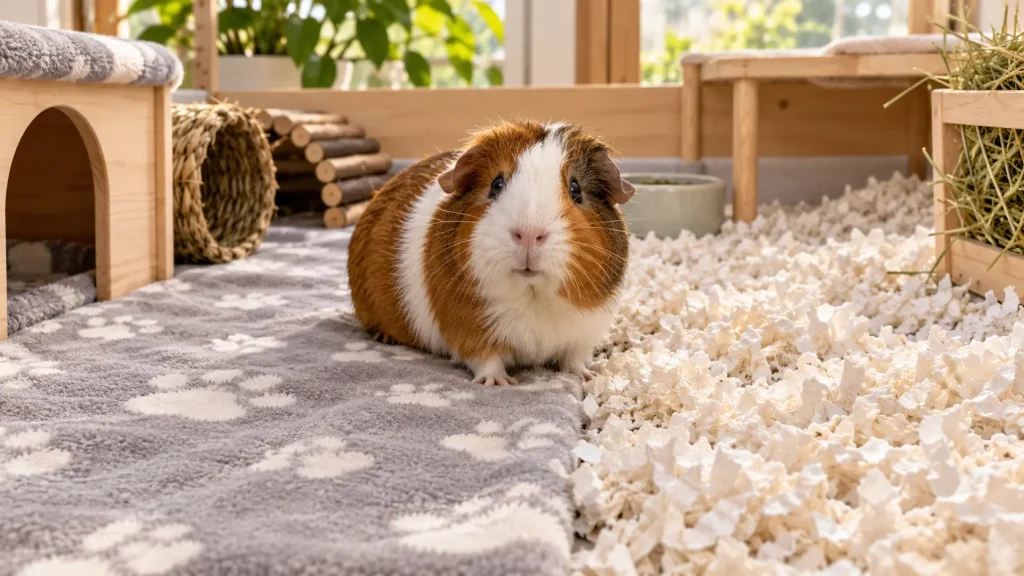
Maintaining the right bedding for your guinea pig is vital for their comfort and health. Choosing between fleece liners and paper bedding involves understanding the key benefits and drawbacks of each material. This guide will explore how these bedding options affect your pet’s environment, hygiene, and overall well-being. Guinea pig owners often face challenges related to odor control, comfort, and maintenance when selecting suitable bedding. By examining the characteristics of fleece liners and paper bedding, you’ll be equipped to make an informed decision for your furry friend. We will cover essential areas such as comfort levels, hygienic benefits, cost-effectiveness, and overall suitability for guinea pig care.
Comparison Guide: Guinea Pig Fleece Liners vs. Paper Bedding
Choosing the right bedding for guinea pigs requires a comprehensive understanding of fleece liners and paper bedding. While fleece liners are soft and can provide a cozy space for your pet, paper bedding tends to be highly absorbent and easy to dispose of. Each option presents distinct advantages that can impact both the animal’s comfort and the owner’s maintenance routine. This section will detail these bedding options, comparing crucial aspects such as comfort levels, hygiene, and cost-effectiveness.
1. Comfort Levels:
Fleece liners offer superior comfort for guinea pigs due to their soft texture, which mimics natural burrowing environments. The cushioned surface helps promote healthy footpads and reduces the risk of injuries. In contrast, paper bedding may provide less cushioning, resulting in a harder surface that may not be as pleasant for your pet to walk on. Guinea pigs tend to exhibit more natural behaviors, such as running and burrowing, on soft fleece surfaces, enhancing their overall well-being.
2. Hygienic Benefits:
Hygiene is a critical factor in selecting bedding for guinea pigs. Fleece liners possess moisture-wicking properties, which keep the surface dry and help manage odors effectively. Regular cleaning can maintain their freshness and ensure a healthy living environment. On the other hand, paper bedding absorbs moisture but may lead to an accumulation of waste and strong odors if not changed frequently. Keeping the cage clean is essential, so understanding the cleaning routines necessary for each bedding type will optimize hygiene.
| Material Type | Absorbency | Maintenance Frequency |
|---|---|---|
| Fleece Liners | Moisture-wicking, lasts longer | Every 3-7 days |
| Paper Bedding | Highly absorbent but can become saturated quickly | Every 1-3 days |
In this comparison, fleece liners present a more sustainable and efficient option for maintaining hygiene in a guinea pig’s habitat.
3. Cost-Effectiveness:
When evaluating cost-effectiveness, consider the initial investment and ongoing expenses associated with both bedding types. Fleece liners typically have a higher upfront cost; however, their durability and reusability can result in long-term savings. In contrast, paper bedding is generally less expensive initially but requires frequent replacements, which can add up over time. Disposable options may contribute more waste.
4. Overall Suitability for Guinea Pig Care:
In determining the most suitable bedding for guinea pig care, owners should assess their lifestyle and preferences. Some may prioritize ease-of-use with disposable paper bedding, while others might favor the comfort and sustainability of fleece liners. Factors like the frequency of cleaning, odor management, and budget play a significant role in this decision-making process. Owners who are willing to invest a little more in their pet’s comfort may find fleece liners to be the better option.
What Are Guinea Pig Fleece Liners and How Do They Improve Comfort?
Guinea pig fleece liners are made from a specially designed material that is soft, durable, and comfortable for small pets. These liners create a cozy environment that promotes natural behaviors and minimizes the risk of foot injuries. By providing a soft surface, fleece liners help maintain the well-being of guinea pigs, reducing stress and promoting comfort during their daily activities.
What materials make up fleece liners and why are they suitable for guinea pigs?
Fleece liners typically consist of moisture-wicking fleece and absorbent layers that trap moisture while keeping the surface dry. The combination of these materials creates an ideal bedding choice for guinea pigs, as it prevents dampness and does not irritate their sensitive skin. Such properties are particularly crucial considering the delicate nature of guinea pigs, making fleece liners a preferred option among pet owners.
How do fleece liners enhance pet comfort and reduce cage odors?
The soft texture of fleece liners not only comforts guinea pigs but also enables effective odor control by managing moisture. The wicking properties of the fleece ensure that urine is quickly absorbed, reducing the risk of unpleasant smells. With regular cleaning, fleece liners can effectively maintain a pleasant environment, enhancing the quality of life for both pets and their owners.
What Types of Paper Bedding Are Commonly Used for Guinea Pigs?
Various types of paper bedding are available for guinea pigs, including recycled paper, virgin paper, and specialized paper products designed for absorbency. Each type offers unique absorbency rates and benefits, catering to diverse pet owner preferences. It is important to evaluate the type of paper bedding chosen to ensure it meets your pet’s health and comfort needs.
What are the various paper bedding types and their absorbency rates?
Popular options include:
- Recycled Paper Bedding: Offers decent absorbency while being eco-friendly.
- Virgin Paper Bedding: Provides high absorbency but may not be as environmentally conscious.
- Specialty Paper Bedding: Designed for maximum absorption, often made from specific materials that control odors.
Choosing the right type of paper bedding can make a significant difference in your pet’s comfort and the cleanliness of their habitat.
What are the pros and cons of using paper bedding for small pets?
Paper bedding has both advantages and disadvantages:
- Pros:Cost-effective and widely availableHigh moisture absorbency helps keep the cage dryEasy to dispose of and replace
- Cons:Requires frequent changes to prevent odorsCan create waste and environmental concernsLess comfortable than fleece options
Understanding the trade-offs associated with paper bedding is essential for making informed decisions regarding your guinea pig’s care.
How Do Fleece Liners and Paper Bedding Compare in Hygiene and Odor Control?
Hygiene and odor management are paramount for a healthy guinea pig environment. Fleece liners excel in maintaining a dry surface, which decreases bacterial growth and unpleasant odors. Effective regular cleaning routines can further enhance the cleanliness of fleece bedding. Conversely, paper bedding needs consistent replacement to ensure optimal hygiene; otherwise, accumulated waste can lead to an unsanitary living area.
What cleaning routines optimize cage hygiene for each bedding type?
- Fleece Liners: Wash every 3-7 days based on usage and number of pets. Shake out debris and spot-clean using pet-safe cleaning agents.
- Paper Bedding: Change every 1-3 days to prevent odor issues. Remove soiled areas and replace with fresh bedding regularly.
Implementing these cleaning routines can greatly enhance bed hygiene and your pet’s overall well-being.
What Are the Environmental and Cost Impacts of Reusable Fleece Liners vs Disposable Paper Bedding?
Evaluating the environmental and financial implications of bedding choices is critical for conscientious pet care. Fleece liners, while initially pricier, can be reused for extended periods, thus reducing waste and promoting sustainability. In contrast, disposable paper bedding generates continual waste and can accumulate substantial costs if frequently replaced.
How does reusability of fleece liners contribute to eco-friendly pet care?
The ability to wash and reuse fleece liners contributes to less landfill waste compared to single-use bedding options. Owners seeking to minimize their ecological footprint may find fleece liners to be a superior choice. Their longevity allows for fewer resources consumed over time, making them a more sustainable option.
What are the cost considerations for long-term use of fleece liners versus paper bedding?
When considering costs, fleece liners generally involve a higher upfront investment; however, their reusability leads to long-term savings since they eliminate the need for constant replacement. Conversely, while paper bedding is less expensive initially, the cumulative costs of continual purchases can be significant over time, making fleece liners the more economical choice for dedicated pet owners.
How Should Guinea Pig Owners Properly Clean and Maintain Fleece Liners?
Proper maintenance is key to ensuring fleece liners remain effective and hygienic for guinea pigs. Following best practices can help owners provide a clean environment.
What are the recommended washing methods for reusable fleece liners?
- Use a mild, pet-safe detergent when washing fleece liners to avoid harsh chemicals.
- Ensure thorough rinsing to remove soap residues that could irritate pets.
- Avoid fabric softeners, as they can hinder the moisture-wicking properties of the fleece.
How often should fleece liners be cleaned to maintain pet health and hygiene?
Regular cleaning is essential for maintaining a healthy habitat. It is recommended to wash fleece liners every 3-7 days, depending on the number of guinea pigs and their activity level in the cage. Spot cleaning should also be performed daily to keep the living area fresh and inviting.
Which Guinea Pig Bedding Type Is Best for Your Pet’s Comfort and Health?
When selecting bedding, it is essential to weigh the factors that influence your choice. Each type of bedding serves a unique purpose and can significantly impact your guinea pig’s quality of life.
What factors should influence your bedding choice: pet comfort, hygiene, and maintenance?
- Pet Comfort: Fleece liners generally provide soft cushioning that promotes natural behaviors.
- Hygiene: Consider the absorbency and odor control properties when choosing bedding.
- Maintenance: Assess the ease of cleaning and frequency needed for each bedding type.
By understanding these factors, guinea pig owners can select the most appropriate bedding to enhance the health and happiness of their pets.
How do Small Pets and Company’s reusable fleece liners compare to other options?
Small Pets and Company’s reusable fleece liners offer an excellent solution for those seeking an eco-friendly and comfortable bedding option. Designed for easy maintenance and optimal moisture control, these liners outperform traditional bedding choices by minimizing waste and enhancing pet comfort. Transitioning to fleece liners could lead to a positive change in your guinea pig’s habitat, making for a happier, healthier pet. You can also learn more about us to understand our mission in pet care.