
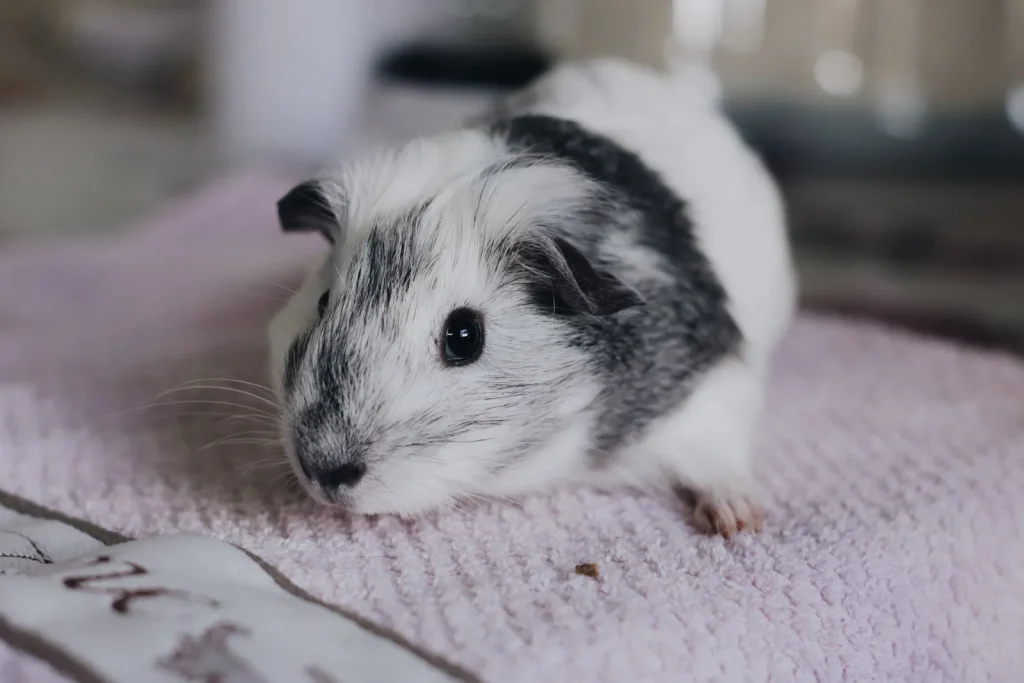
Maintaining a clean living environment for your guinea pigs is essential not only for their comfort but also for their health. Fleece cage liners serve as a popular choice among pet owners for bedding because they provide a soft, washable, and reusable surface for small animals. However, the task of washing these fleece liners is often misunderstood; therefore, in this guide, we will explore the most effective methods for washing fleece cage liners, techniques to control odor, and maintenance tips to keep your guinea pig’s habitat clean. We will discuss the frequency of washing needed, the hygiene risks of neglecting cleanliness, and how proper care of these liners can lead to a happier, healthier pet.
Washing Methods
Cleaning fleece cage liners effectively requires understanding the different washing methods available. Prewashing new liners is highly recommended to eliminate any excess fibers and residues. A regular washing schedule ensures that odors and bacteria do not build up over time. Here are some key aspects of efficient washing:
- Prewash New Liners: Always wash new fleece liners separately to eliminate any excess fibers and residues.
- Machine Washing: Use cold water settings with a gentle detergent; avoid fabric softeners as they can reduce absorbency.
- Drying Options: Air drying is preferred to maintain the integrity of the fabric, although tumble drying can be done on low heat when necessary.
By following these guidelines, you will maximize the lifespan of your fleece liners while ensuring a hygienic space for your pets.
Odor Control Techniques
Keeping a guinea pig’s environment odor-free involves implementing specific cleaning techniques alongside regular washing of fleece liners. Here are effective methods to control odors:
- Daily Spot Cleaning: Regularly remove soiled bedding and droppings to minimize odors before they become problematic.
- Ventilation Improvements: Ensure good airflow in the cage area by placing it in a well-ventilated location.
- Additional Absorbent Materials: Consider using additional absorbent pads underneath the fleece liners to catch moisture more effectively.
Applying these techniques can significantly reduce smells and create a more pleasant living space for both you and your pets.
Small Pets and Company specializes in small pet products, focusing on high-quality, reusable bedding solutions like fleece liners that help guinea pig and rabbit owners maintain a clean and hygienic environment. Small Pets and Company specializes in small pet products, focusing on high-quality, reusable bedding solutions like fleece liners that help guinea pig and rabbit owners maintain a clean and hygienic environment.
Maintenance Tips
Proper maintenance of fleece liners goes beyond just washing. To ensure your liners remain effective and durable, adhere to these guidelines:
- Inspect Liners for Damage: Regularly check for frays or wear that could affect absorption and comfort.
- Replace Liners Regularly: Even with cleaning, liners have a lifespan after which replacement is necessary.
- Establish a Cleaning Routine: Create a consistent schedule for washing and inspecting fleece liners to prevent odors and hygienic issues.
Maintaining this routine will promote better hygiene and comfort for your guinea pigs.
Expert Tips
To optimize the use and maintenance of fleece liners, consider these expert tips:
- Avoid Scented Products: Using unscented detergents preserves the health and well-being of your guinea pigs.
- Consistency in Cleaning: Adhere to a strict cleaning schedule to maintain hygiene.
- Monitor Liner Conditions: Keep an eye on the condition of the fleece, and replace it at the first sign of wear.
Implementing these best practices will further enhance your pets’ living environment.
Why Is Washing Guinea Pig Fleece Liners Important for Cage Hygiene?
Regular washing of fleece liners is important in preventing the buildup of odors and bacteria that could adversely affect the health of guinea pigs. By maintaining cleanliness, owners can ensure their pets remain healthy and comfortable within their habitat. Moreover, neglected fleece liners can become breeding grounds for pathogens, leading to illnesses that can be easily prevented through conscientious cleaning practices.
What Are the Hygiene Risks of Neglecting Fleece Liner Cleaning?
Failing to maintain cleanliness can result in significant hygiene risks, including:
- Risk of Bacterial Growth: Soiled fleece can accumulate harmful bacteria, potentially leading to infections.
- Odor Build-Up: Without regular washing, a foul smell may develop, which can be distressing for both pets and owners.
- Skin Irritation Possibilities: Accumulated waste can cause skin problems or infections in guinea pigs.
Understanding these risks emphasizes the need for regular cleaning routines.
What Is the Best Method for Washing Reusable Fleece Cage Liners?
To wash fleece cage liners effectively, follow these steps for optimal results:
- Preparation Steps: Shake off loose debris before washing by shaking the liners outside.
- Specific Washing Instructions: Use a standard washing machine with cold water, and select the gentle cycle.
- Drying Techniques: As previously mentioned, air drying is preferred, but if using a dryer, do so on low heat to avoid damaging the fleece.
These methods ensure that your fleece liners remain functioning and odor-free.
Which Washing Detergents Are Safe and Effective for Fleece Liners?
Choosing the right detergent is vital for prolonging the life of your fleece liners. Safe and effective options include:
- Unscented Detergents: These prevent potential allergic reactions in pets.
- Liquid Formulations: Liquid detergents generally rinse out easier than powders, minimizing residue left in the fabric.
- Hypoallergenic Options: For pets with sensitivities, hypoallergenic detergents are ideal.
Selecting the right detergent can make all the difference in keeping fleece liners in great condition.
How Often Should You Wash Guinea Pig Fleece Cage Liners to Control Odor?
Washing frequency plays a significant role in odor management. It is advisable to wash fleece liners weekly; however, the frequency might change based on the following factors:
- Condition of the Liner: If heavy soiling occurs, a wash may be necessary sooner.
- Number of Guinea Pigs: More animals can lead to more waste and odor.
- Environmental Conditions: Humidity levels can also impact how often liners need to be washed.
As a general guideline, keeping to a weekly schedule, with spot cleaning in between, will help maintain optimal hygiene.
What Factors Influence Washing Frequency for Optimal Habitat Maintenance?
Several factors influence how often to wash fleece liners, including:
- Cage Size and Number of Pets: Larger cages with more guinea pigs will require more frequent washes.
- Activity Levels of Pets: Highly active pets may soil their environment faster than calmer ones.
- Environmental Conditions: Humid environments require more frequent washing due to the potential for mildew or odors.
Being mindful of these aspects will ensure that your guinea pigs live in a clean and healthy environment.
How Can a Washing Schedule Improve Guinea Pig Health and Cleanliness?
Establishing and adhering to a washing schedule can lead to improved health for your guinea pigs by:
- Reduction in Bacterial Growth: Regular cleaning keeps harmful bacteria to a minimum.
- Minimized Stress on Pets: A clean environment reduces stress and enhances well-being.
- Maintaining a Pleasant Living Space: A hygienic home is not just beneficial for pets but also for the overall atmosphere in your home.
Creating a washing schedule leads to better hygiene practices, positively impacting your pets’ lives.
What Are the Best Drying Techniques for Guinea Pig Fleece Liners to Preserve Quality?
To maintain the quality and functionality of fleece liners while drying, apply these methods:
- Air Drying: This is the safest method, preserving the fabric quality.
- Using a Dryer: If you must use a dryer, set it to a low heat level to avoid damage.
- Complete Drying: Ensure that the liners are completely dry before reusing to prevent mildew growth.
By employing these drying techniques, you can prolong the life of your fleece liners.
Can You Use a Dryer Safely on Fleece Bedding?
Using a dryer can be safe for fleece instead of air drying if done cautiously. Here are tips for dryer use:
- Temperature Settings: Always use low heat; high temperatures can damage the fibers.
- Drying Time Considerations: Monitor the time to prevent overheating and shrinking.
- Risks of High Heat: A dryer set too hot can lead to a shortened lifespan for fleece materials and potential safety hazards.
Understanding these recommendations allows pet owners to safely utilize their dryers when necessary.
How Does Air Drying Affect Durability and Odor Prevention?
Air drying fleece liners not only protects their material integrity but also aids in reducing odors. Advantages of air drying include:
- Ensuring Full Drying: Propelling air circulation helps eliminate moisture effectively.
- Preventing Mildew Growth: Quick drying reduces the chances of mildew or mold developing in the fabric.
- Impact on Longevity of Fleece: Gentle drying methods increase the lifespan and quality of the fleece.
These elements showcase the importance of air drying as a best practice for fleece maintenance.
How Do Reusable Fleece Liners Compare to Disposable Bedding for Guinea Pigs?
When comparing reusable fleece liners to disposable bedding options, the following factors stand out:
- Cost Analysis: Reusable liners can help save money over time compared to consistently purchasing disposable bedding.
- Comfort and Absorbency Comparison: Fleece provides a soft surface ideal for guinea pig comfort, whereas disposables may not provide the same level of softness.
- Environmental Impact Evaluation: Using reusable options contributes to lower waste output, promoting sustainability.
Considering these comparisons can greatly influence the decision-making process for pet owners.
What Are the Environmental and Cost Benefits of Reusable Liners?
The use of reusable fleece liners offers various advantages, including:
- Waste Reduction: Choosing reusable over disposable options significantly cuts down on household waste.
- Economic Advantages Over Time: Although the initial investment is higher, reusable liners are more cost-effective in the long run.
- Sustainable Practices in Pet Care: Focusing on eco-friendly products contributes to reducing the overall environmental footprint.
These insights emphasize the value of investing in high-quality, reusable liners.
How Does Bedding Choice Impact Guinea Pig Comfort and Odor Control?
The choice of bedding can dramatically impact the comfort of guinea pigs and how well odors are managed. The key takeaways include:
- Comfort Level Changes: Fleece bedding is typically softer and more comfortable than traditional bedding.
- Odor Management Implications: High-quality fleece liners can be washed regularly, reducing odors more effectively than disposable options.
- Comparison Insights on Materials: Evaluating various bedding materials helps ensure the best choice for your pet’s comfort and hygiene needs.
Understanding these implications can help pet owners make informed decisions regarding their pet care.
What Are Common Questions About Washing and Caring for Guinea Pig Fleece Liners?
Addressing frequently asked questions surrounding fleece liner care can clarify many concerns pet owners face:
- Key Washing Techniques: Consistent care through specific washing methods is essential for maintaining quality.
- Maintenance Routine Questions: Establishing a solid routine simplifies the cleaning process and reduces worry over hygiene.
- Best Products to Use: The right detergents and cleaning tools significantly influence the laundering process.
By providing clear answers, we can better equip guinea pig owners for effective care.
Can You Use Regular Detergent or Do You Need Hypoallergenic Products?
While traditional detergents can be used, it is often better to opt for hypoallergenic products to ensure safety for sensitive pets. Here’s why:
- Detergent Choices: Selecting gentler formulas can reduce the risk of skin irritation and allergies.
- Impact of Fragrance on Pets: Strong scents can be overwhelming for small animals; hence, fragrance-free options are preferable.
- Recommendations for Safe Washing: Using unscented, eco-friendly detergents provides peace of mind while ensuring cleanliness.
Evaluating your detergent options will help keep your guinea pigs safe and comfortable.
What Are Tips for Removing Tough Urine Odors From Fleece Bedding?
Dealing with tough odors can be a challenge, but the following tips may help:
- Effective Cleaning Agents: Utilizing a mix of baking soda and vinegar can neutralize odors effectively.
- Strategies for Prevention: Regular spot cleaning prevents leftovers from causing significant issues.
- Regular Maintenance Tips: Keeping a consistent washing schedule will minimize odor retention, making the task easier overall.
Implementing these strategies will significantly enhance your ability to care for your guinea pigs’ environment while maintaining long-term cleanliness.